Our history
For over 70 years, Nescot has served its community from our beautiful campus in Ewell, offering a broad range of courses for school leavers, adults and employers, delivered in a range of exciting, industry-specific learning environments. This page takes a look back over the history of the college and education on our campus.

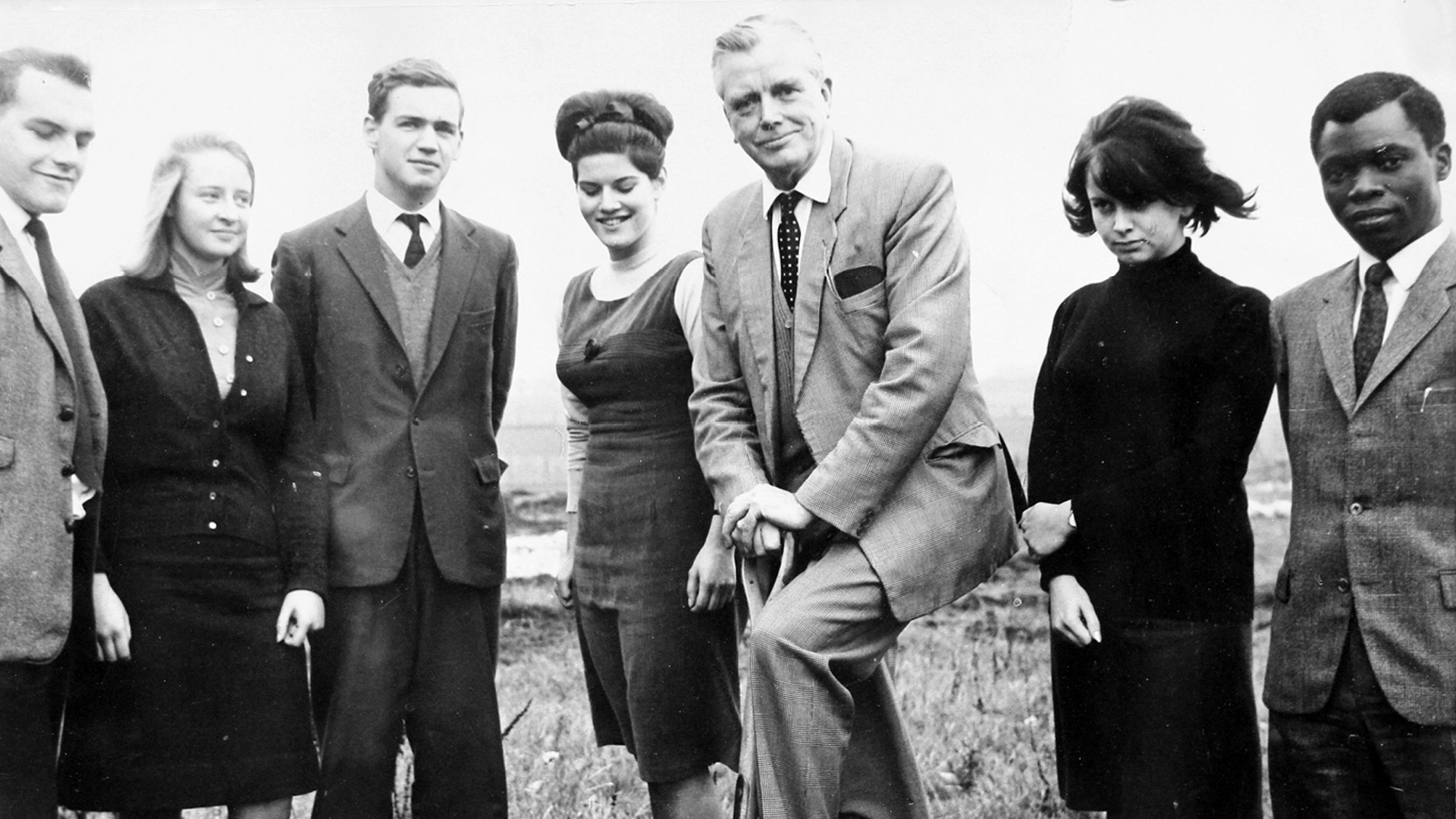
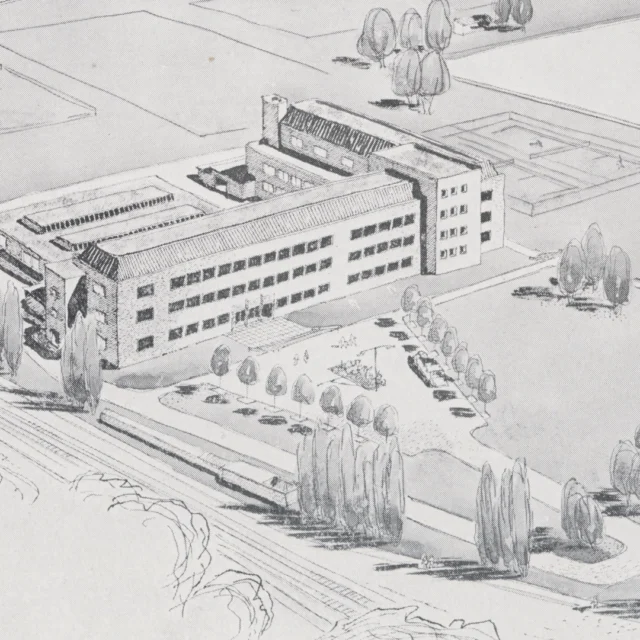
Nescot began life as Ewell County Technical College, with the first students beginning courses in September 1953 and the establishment being formally opened the following March. The site was said to have been the largest arable field in England, and the college cost £250,000 to build. The official opening ceremony took place on 22 March 1954.
From the beginning
Nescot began life as Ewell County Technical College, with the first students beginning courses in September 1953 and the establishment being formally opened the following March. The site was said to have been the largest arable field in England, and the college cost £250,000 to build. The official opening ceremony took place on 22 March 1954.
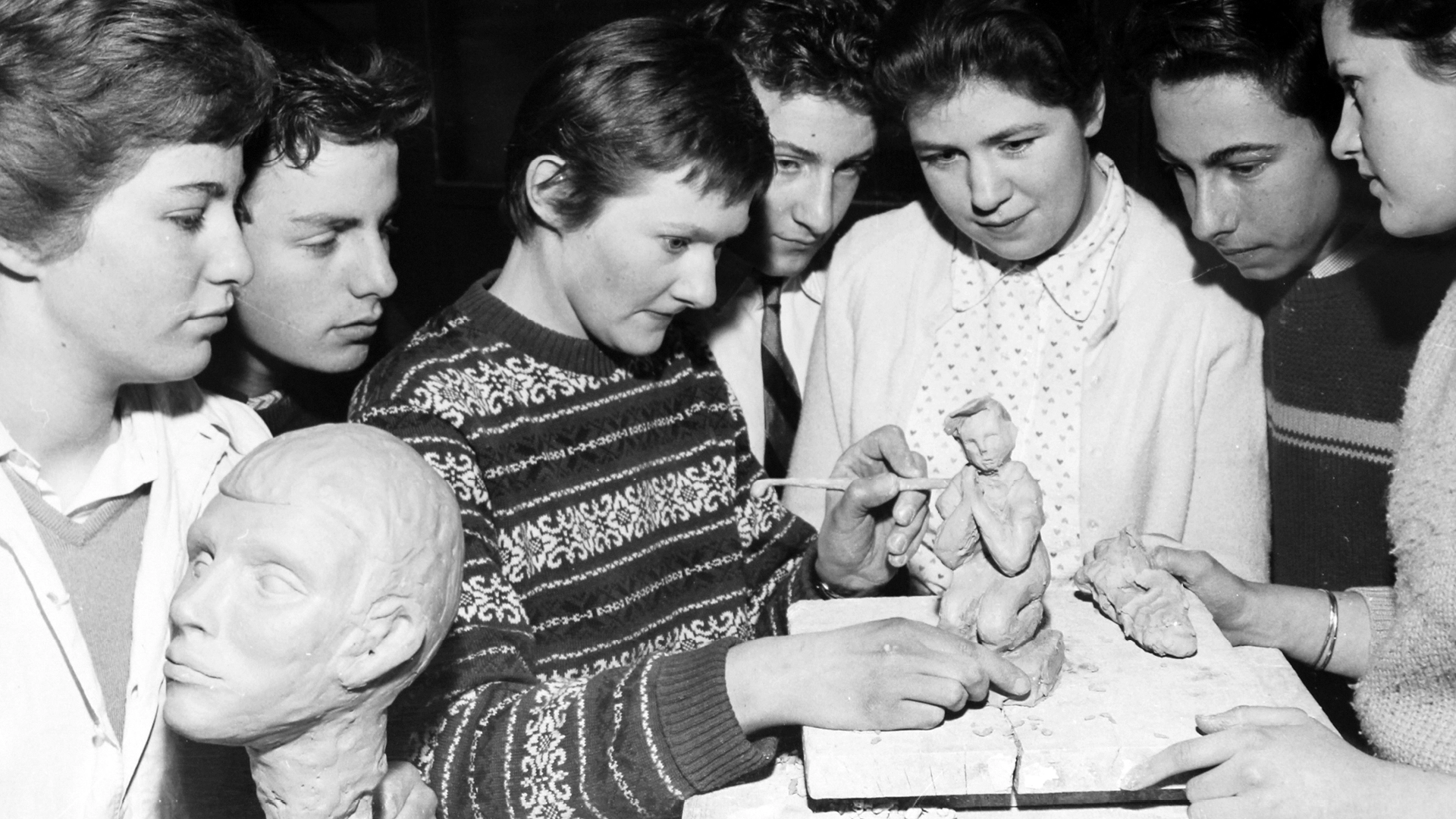
The college was recognised as a pioneer in ‘liberal education’. By the mid-1960s students spent Wednesday afternoons taking supplementary courses from sailing to folk dancing.It was also one of the first technical colleges to appoint a member of staff responsible for student welfare. Today this team includes Advice and Guidance, Student Finance; the counselling service; an on-site nurse; childcare; the security staff; and specialist support for students who are or have been in care.
In the first academic year there were 789 students, with subjects split into the three departments of Building, Science and General Education. By the mid-1970s there were 4,000 students at the college, with fees costing between £72 and £120 per academic year for over-19s. Students aged 18 or under could claim travel costs of 15p per return journey.

Gallery
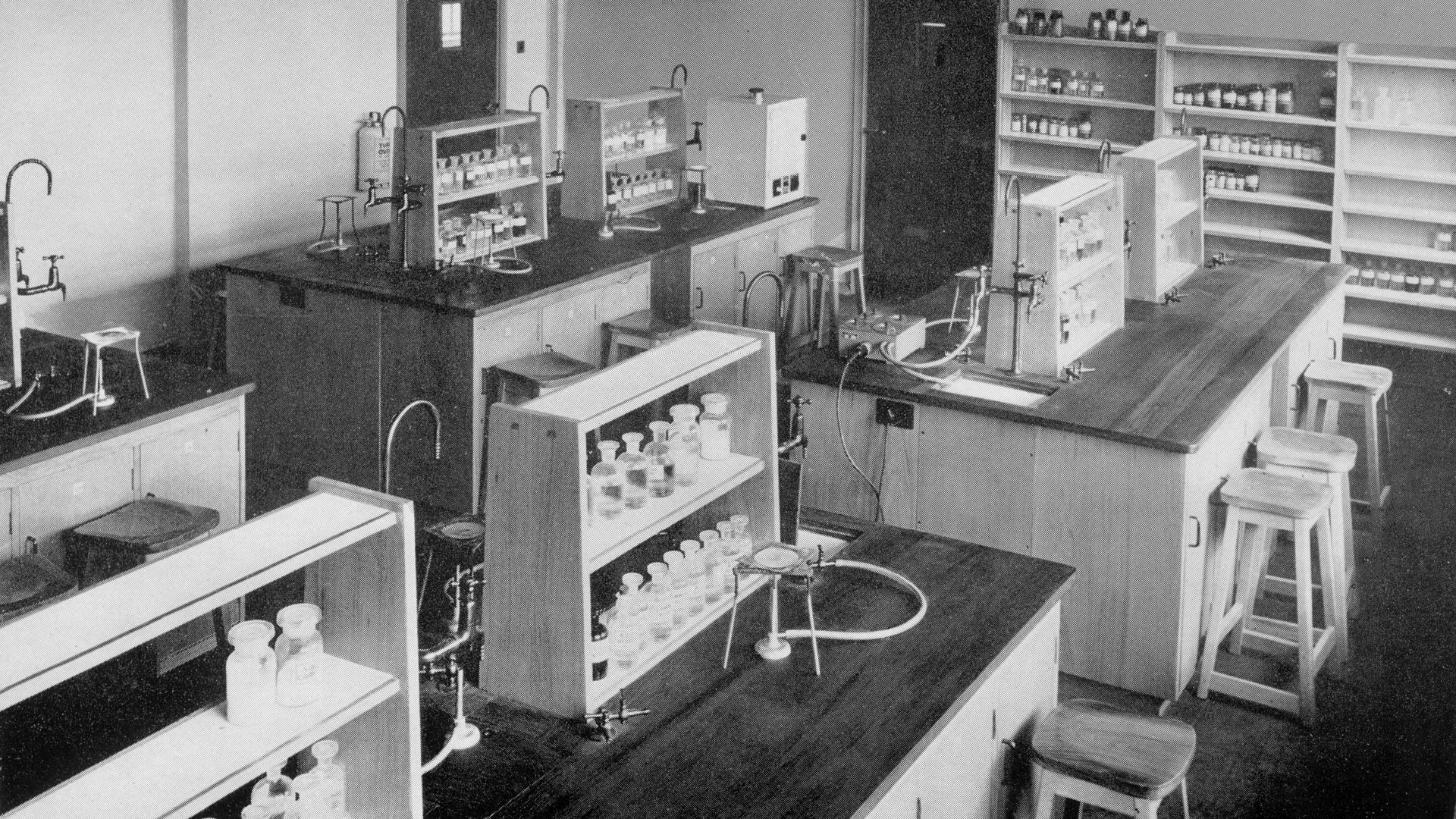
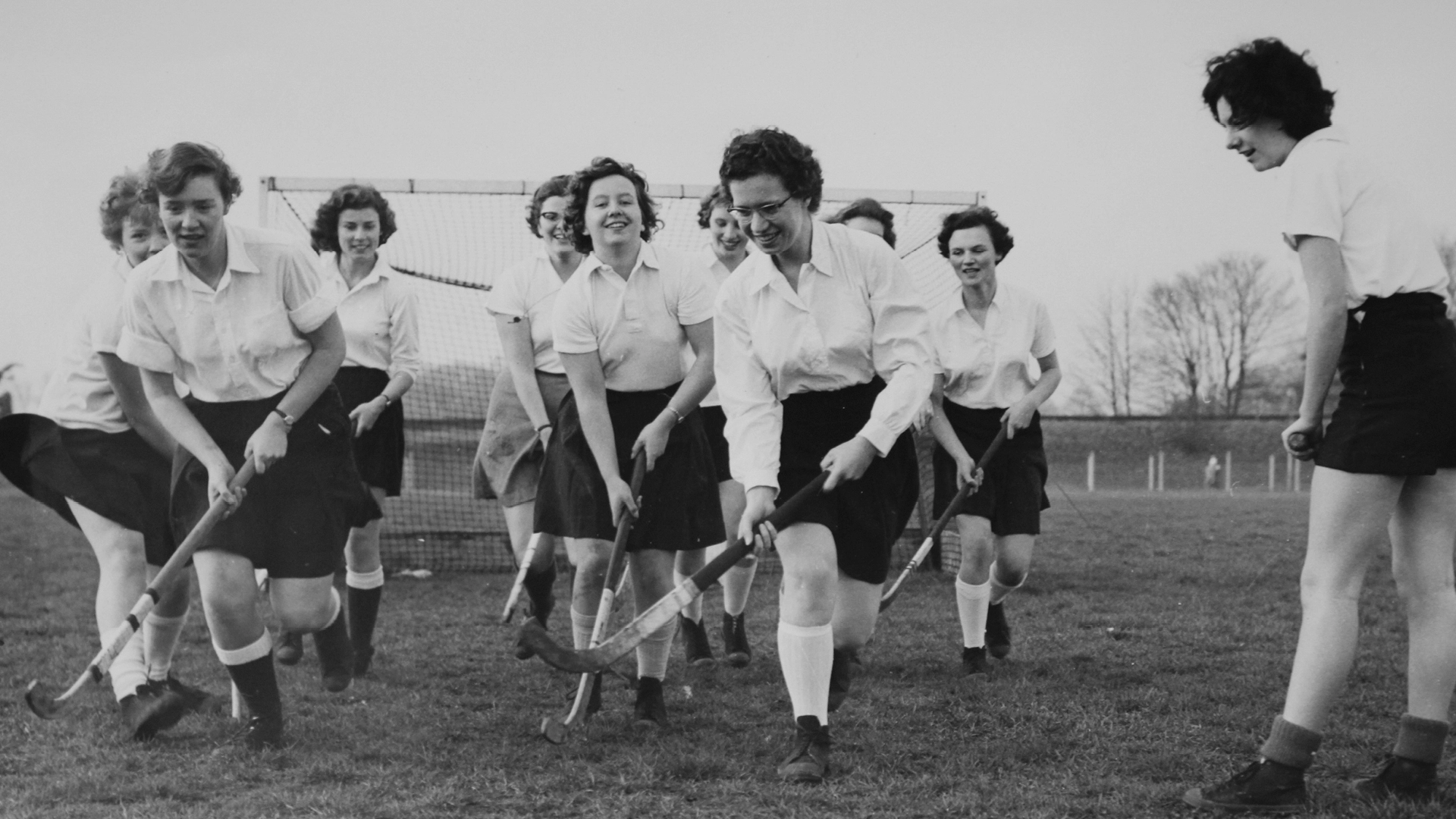
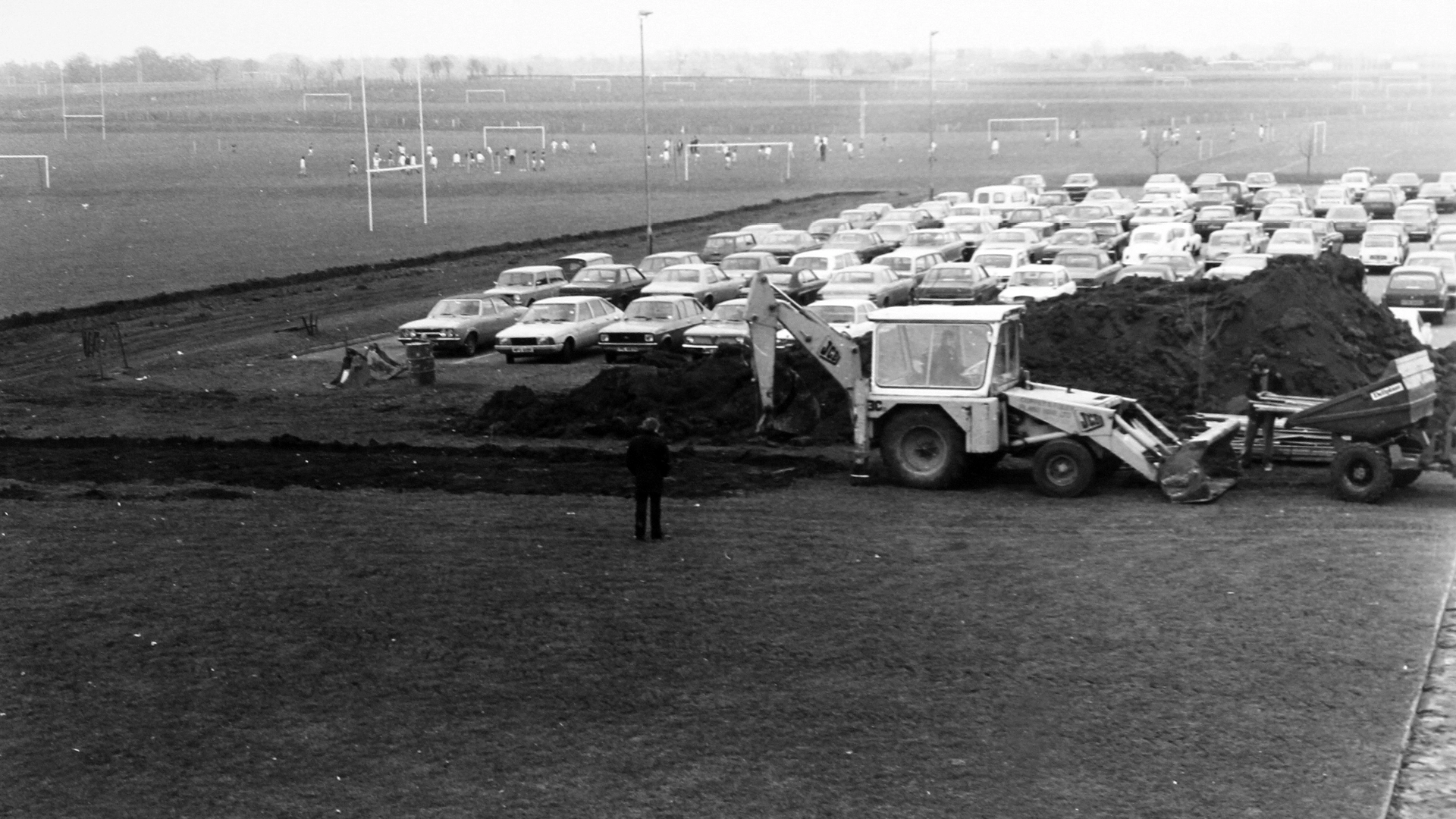
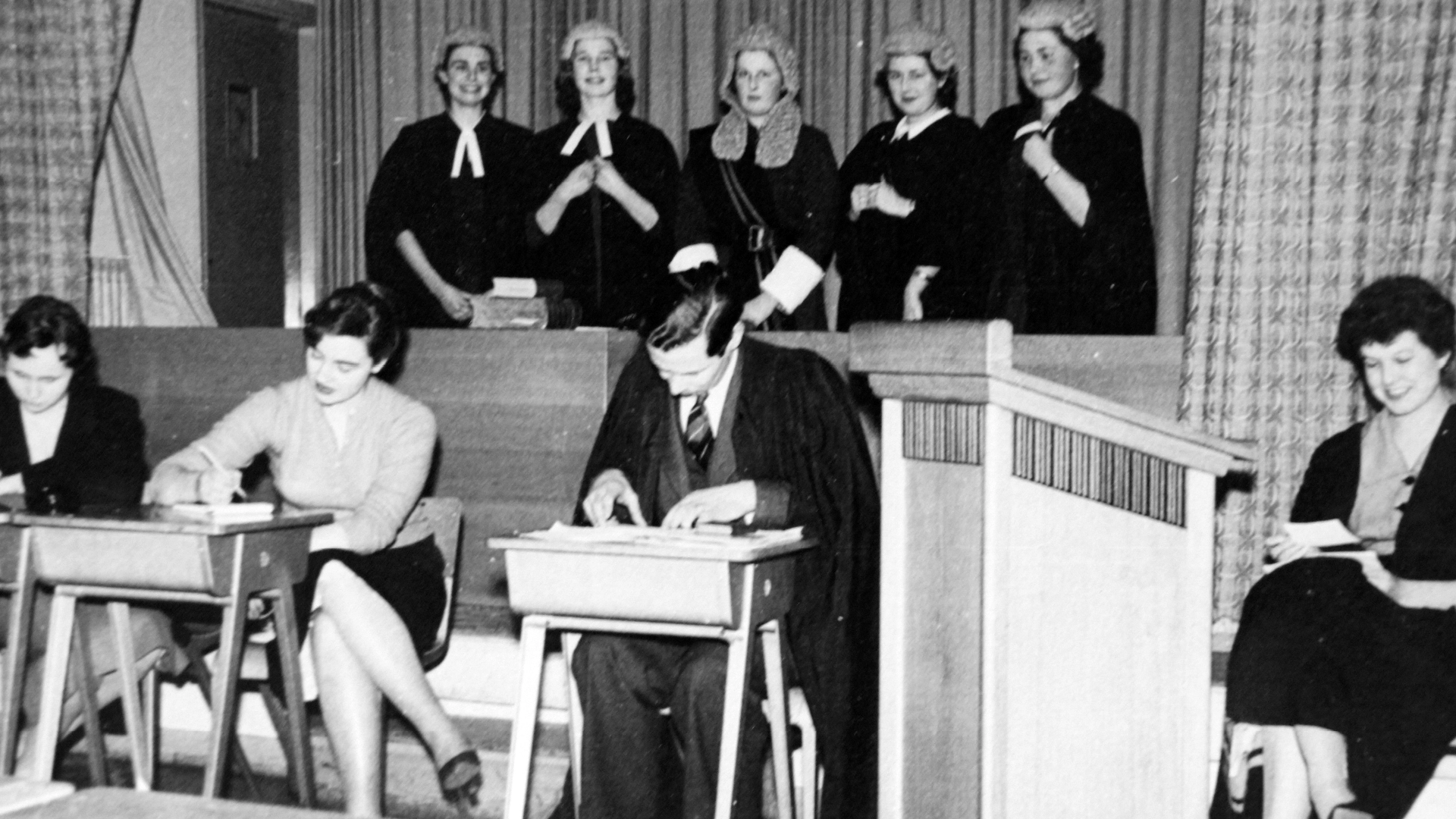
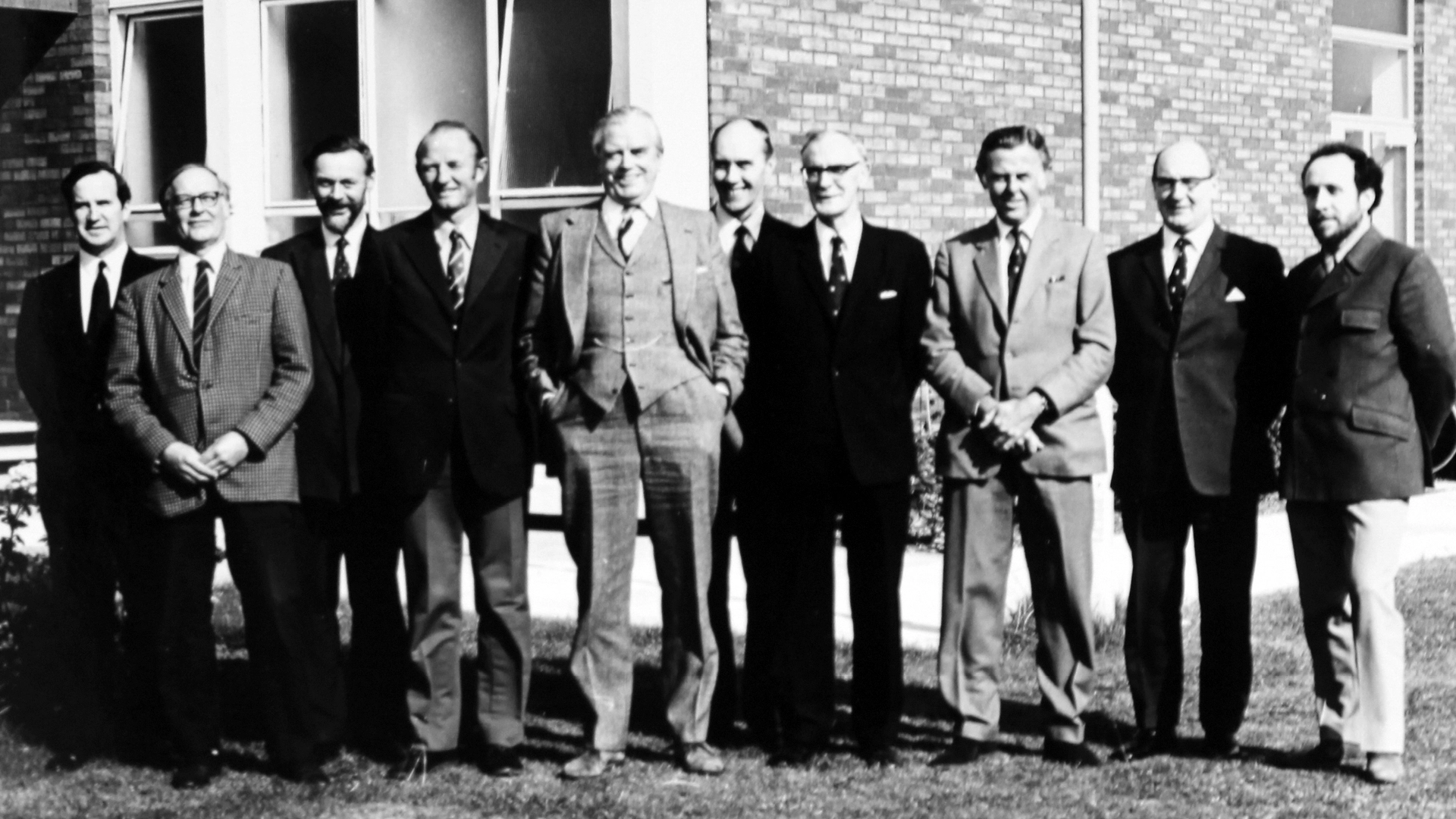
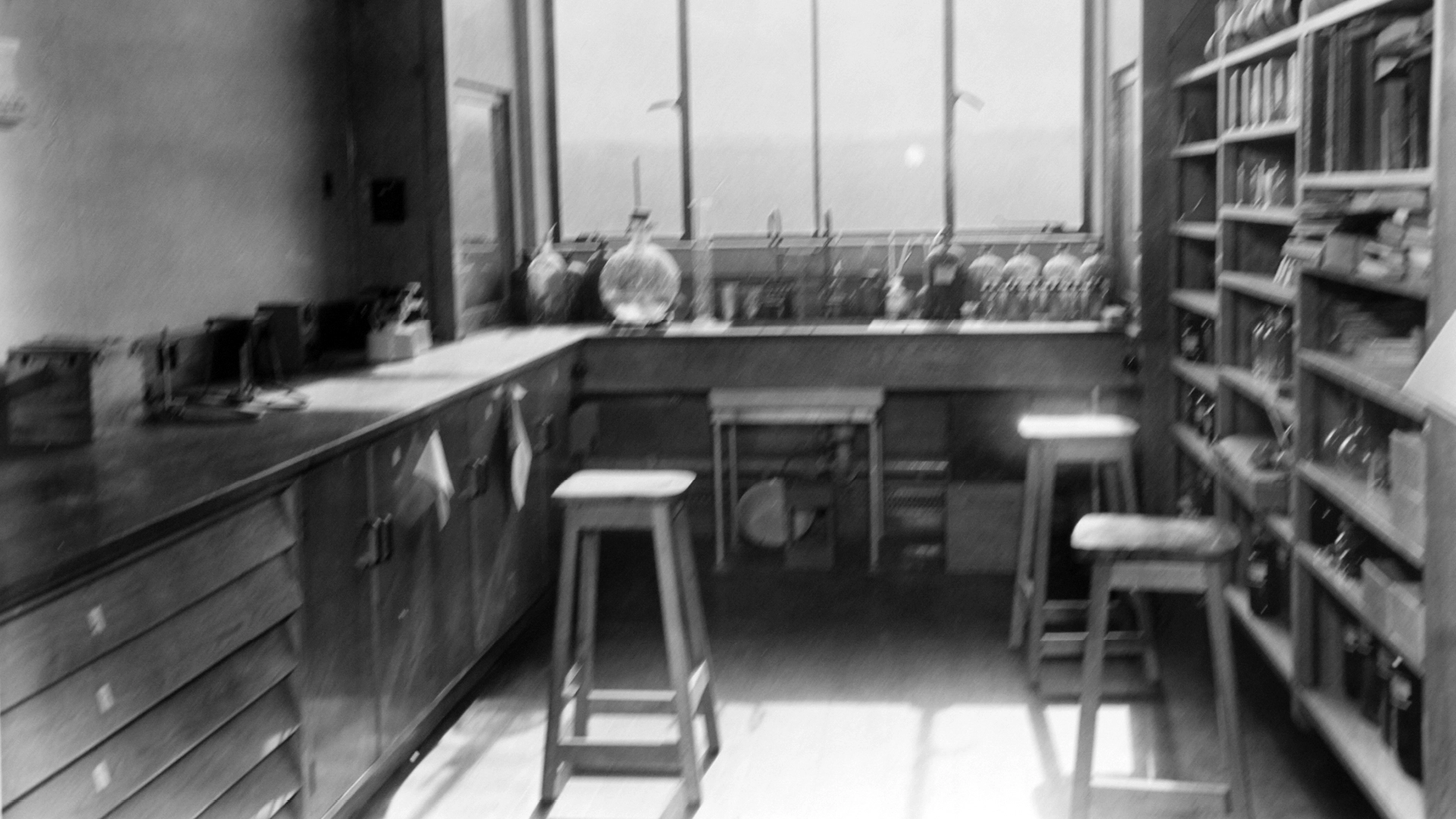
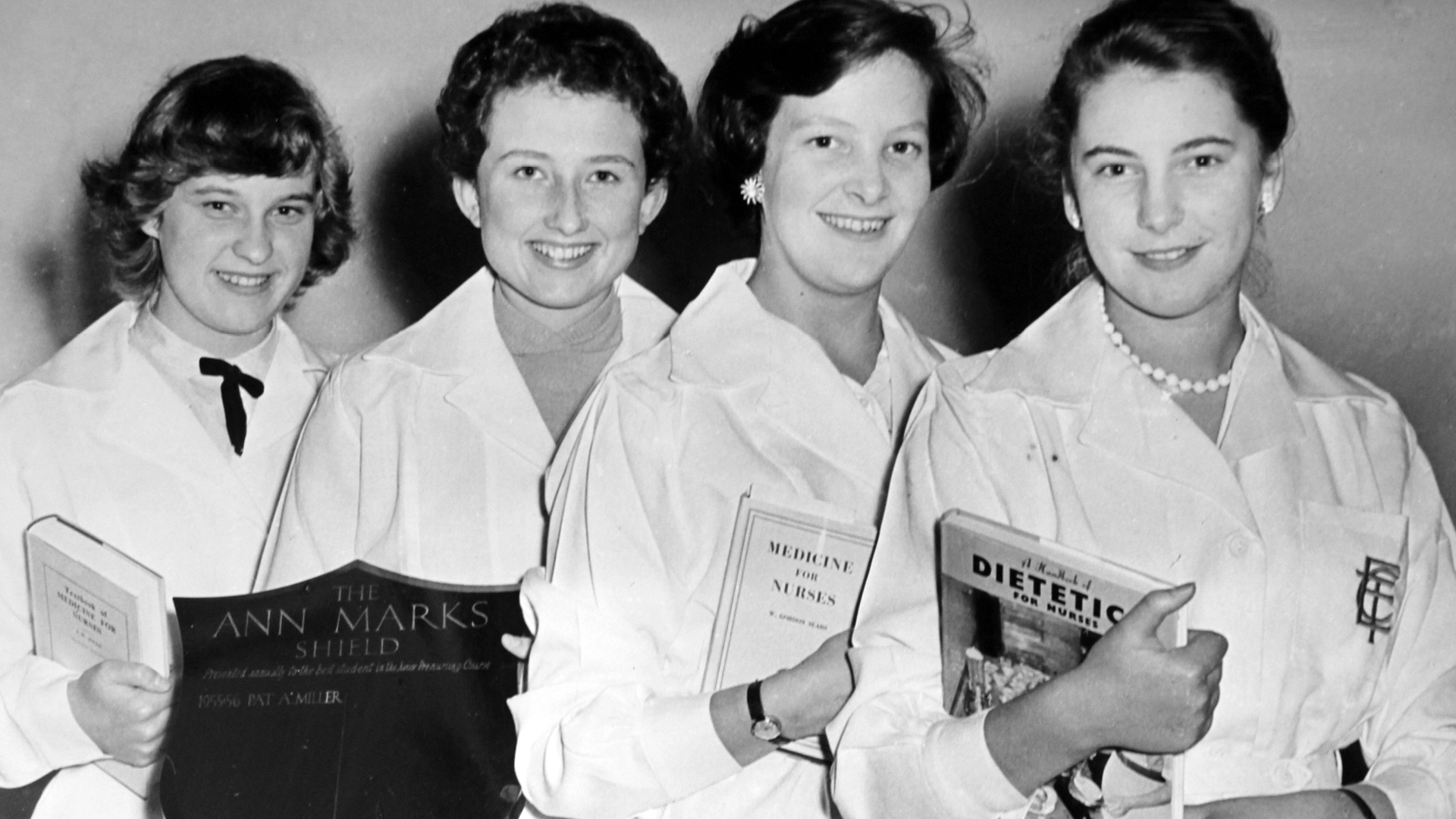
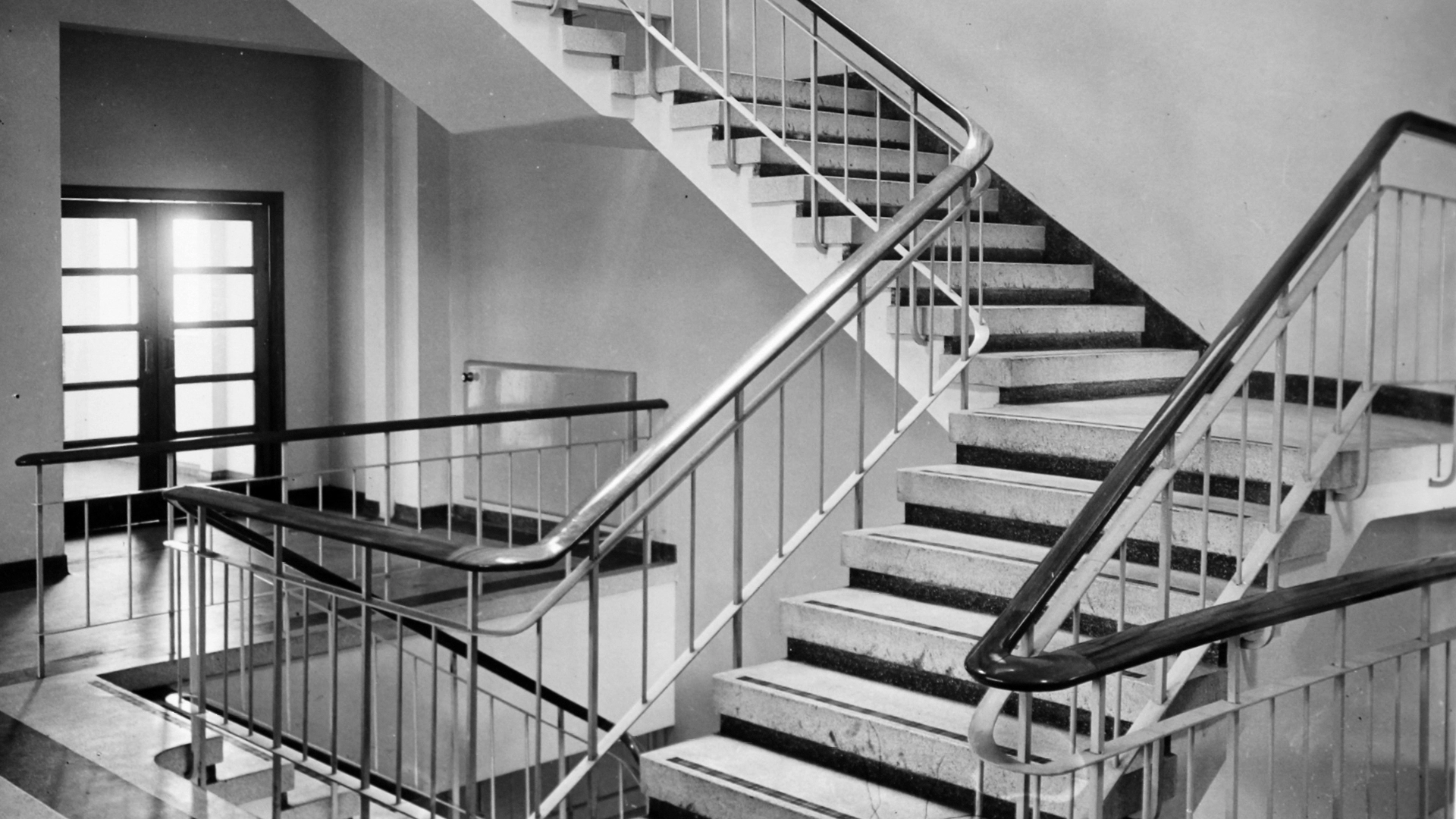
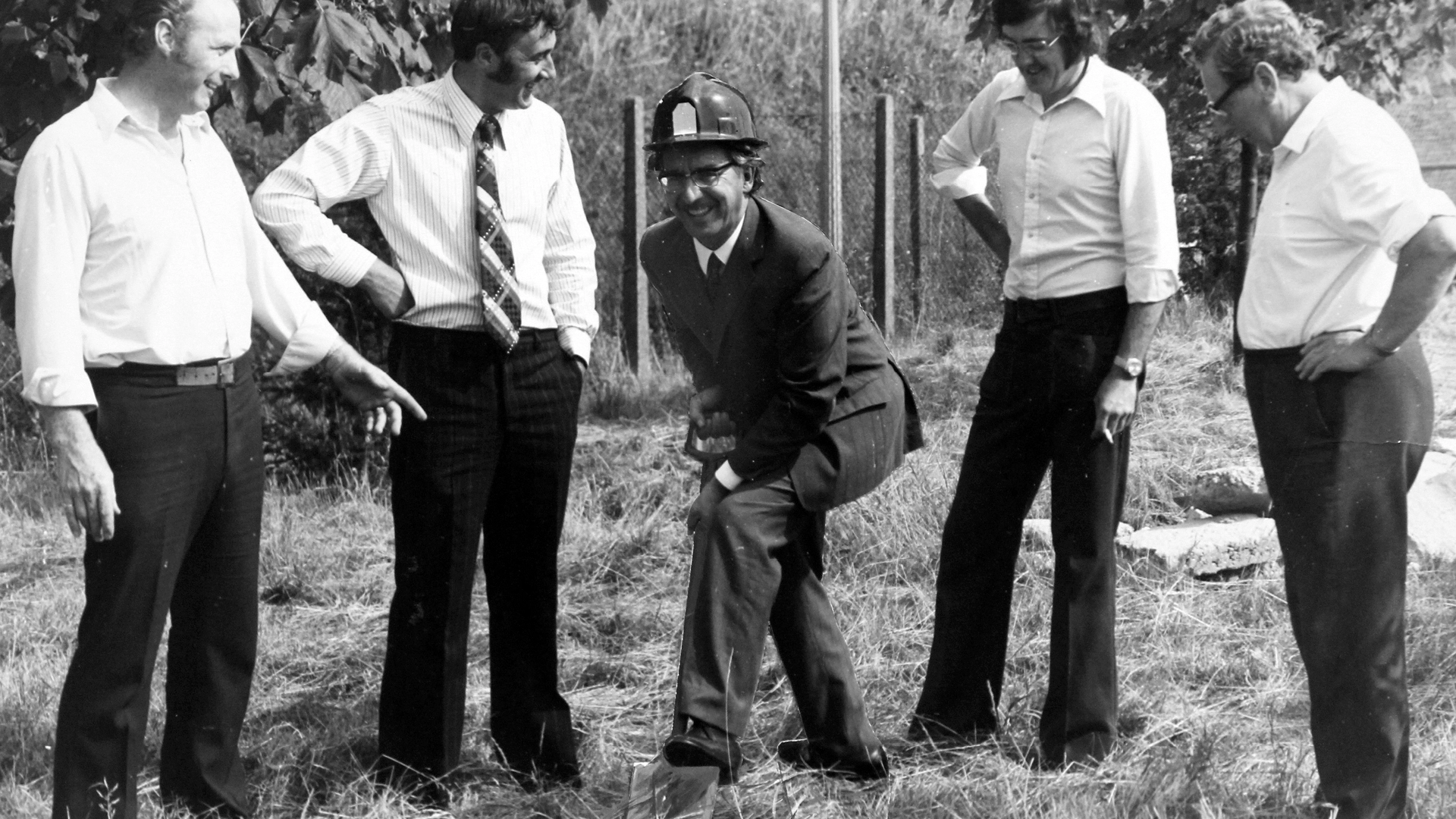
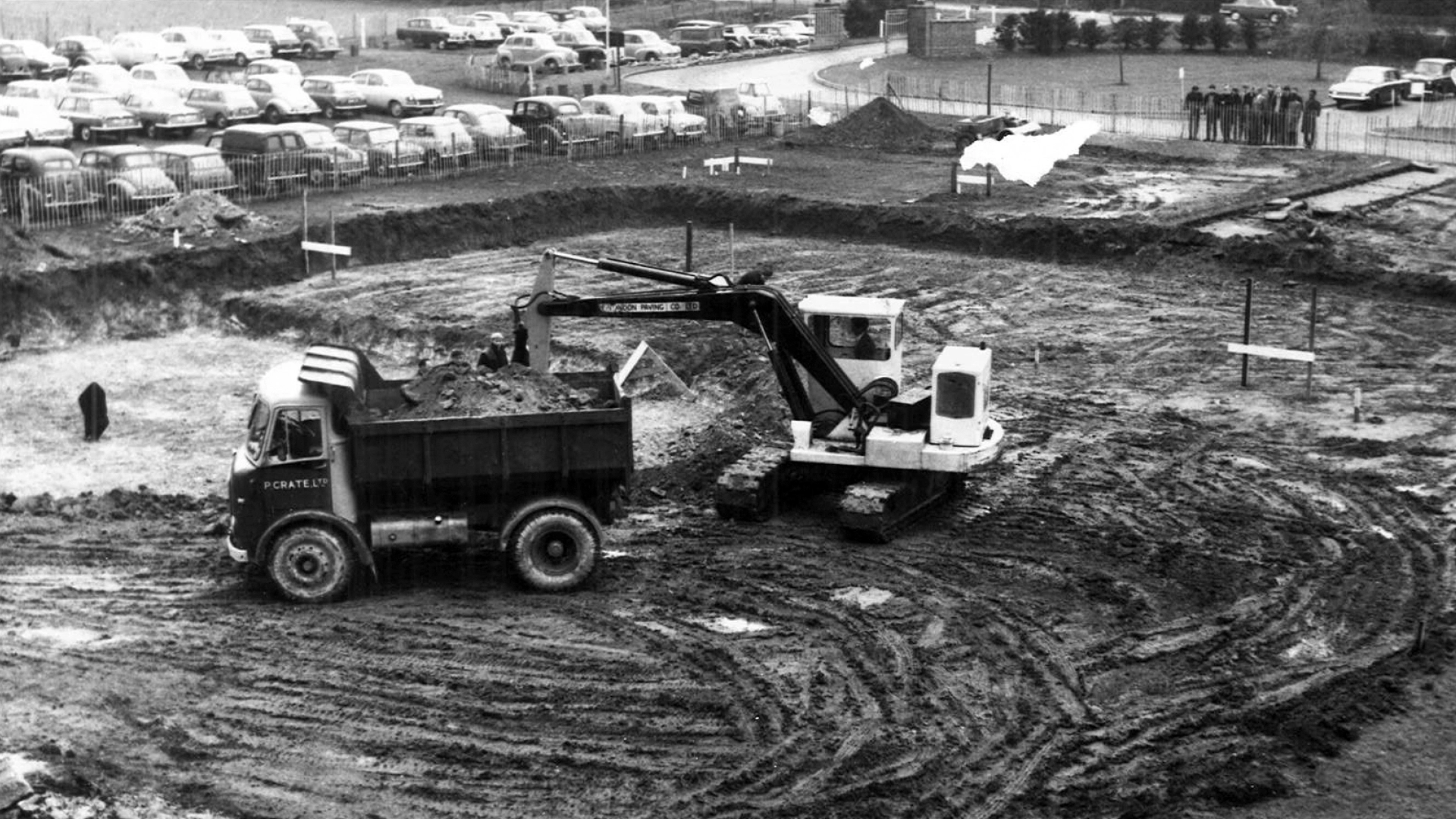
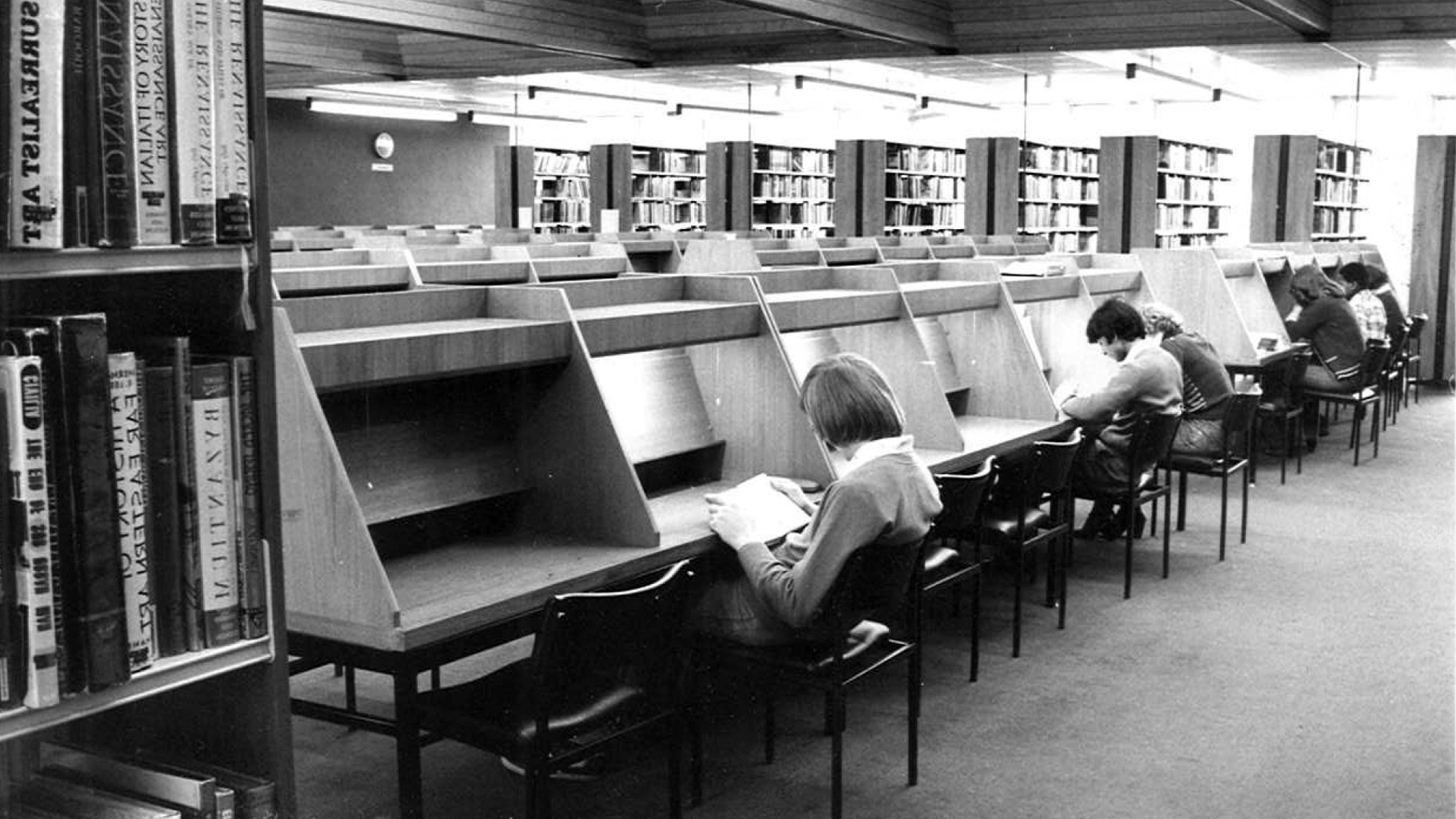
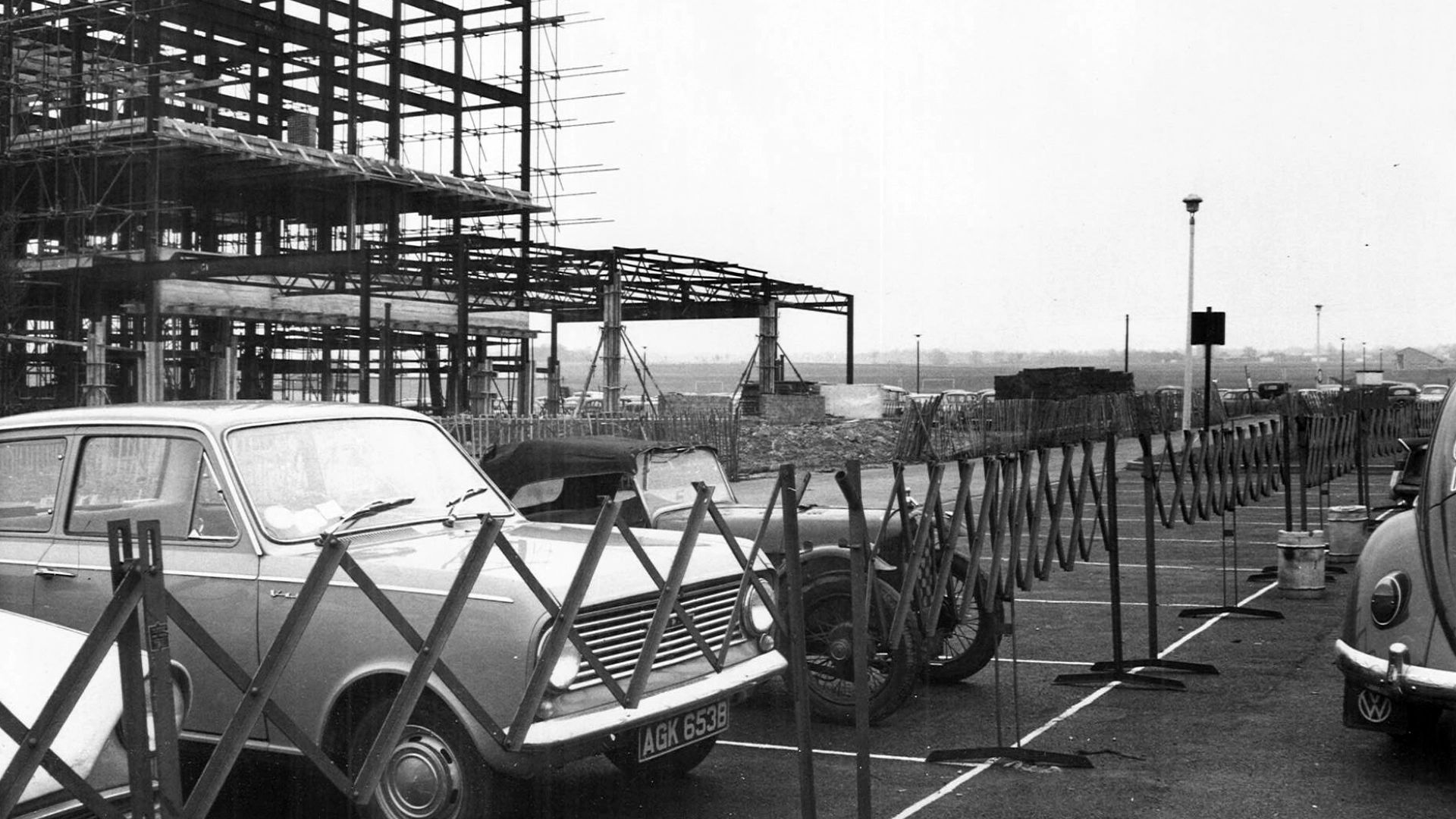
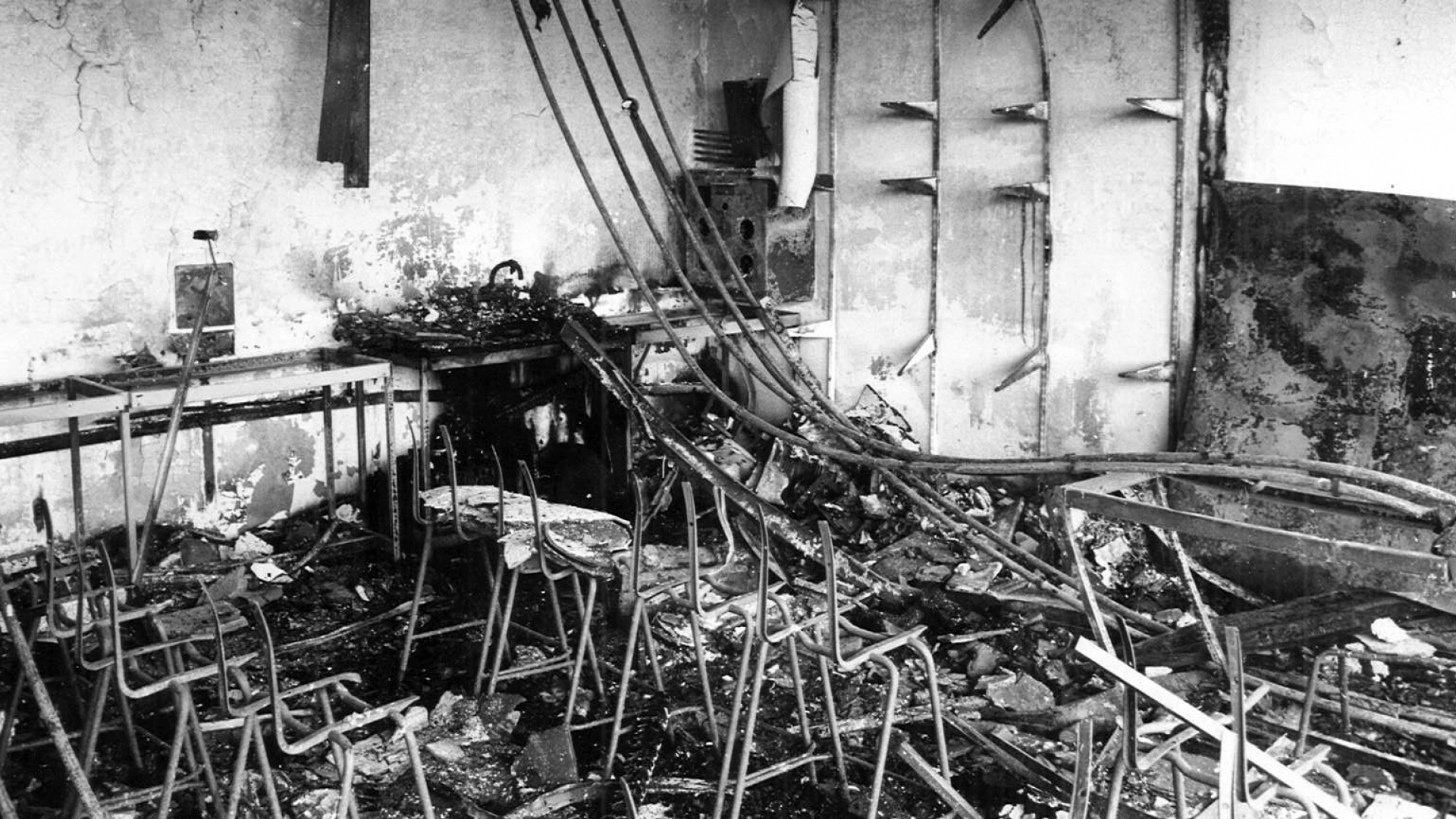
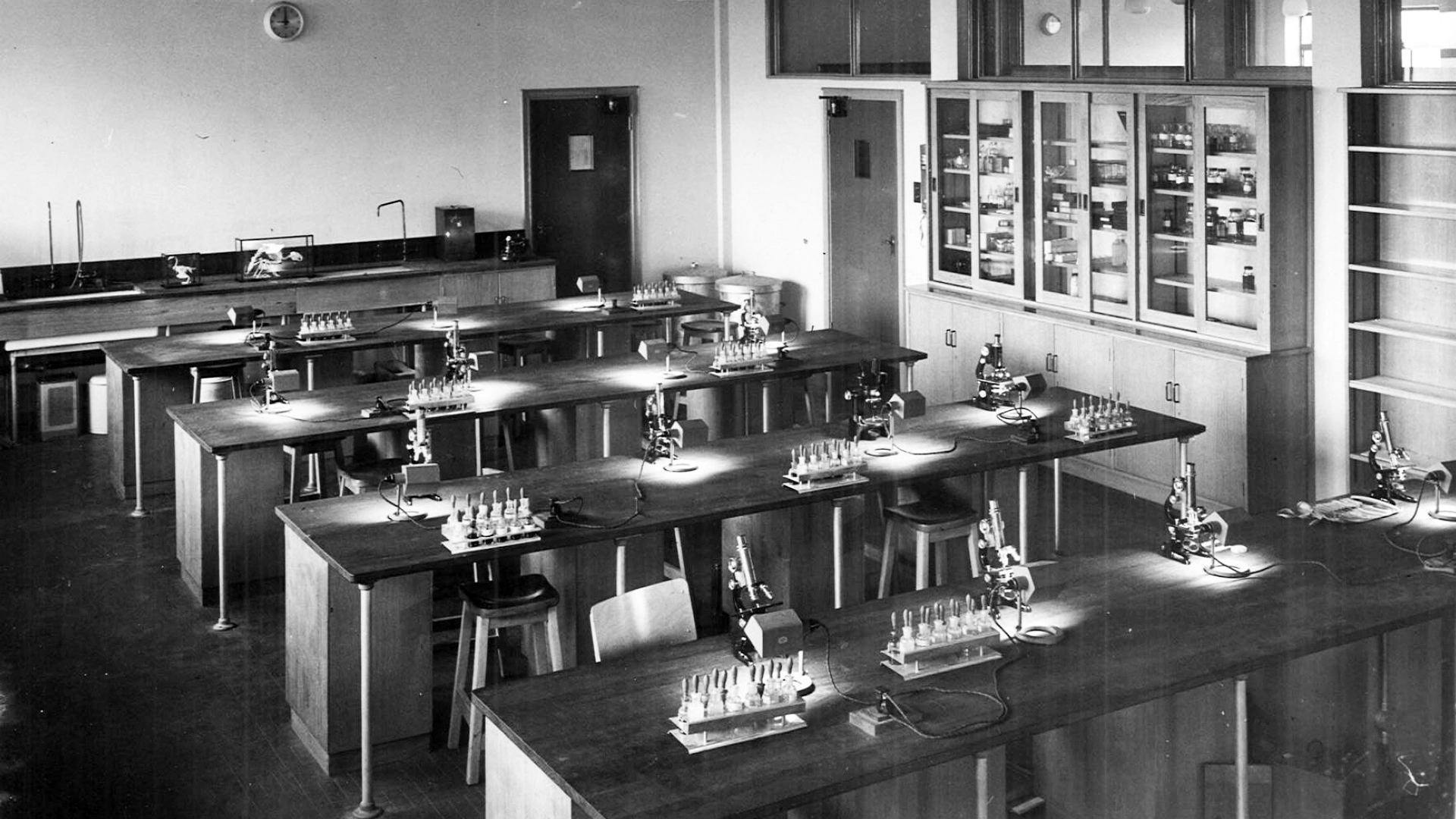
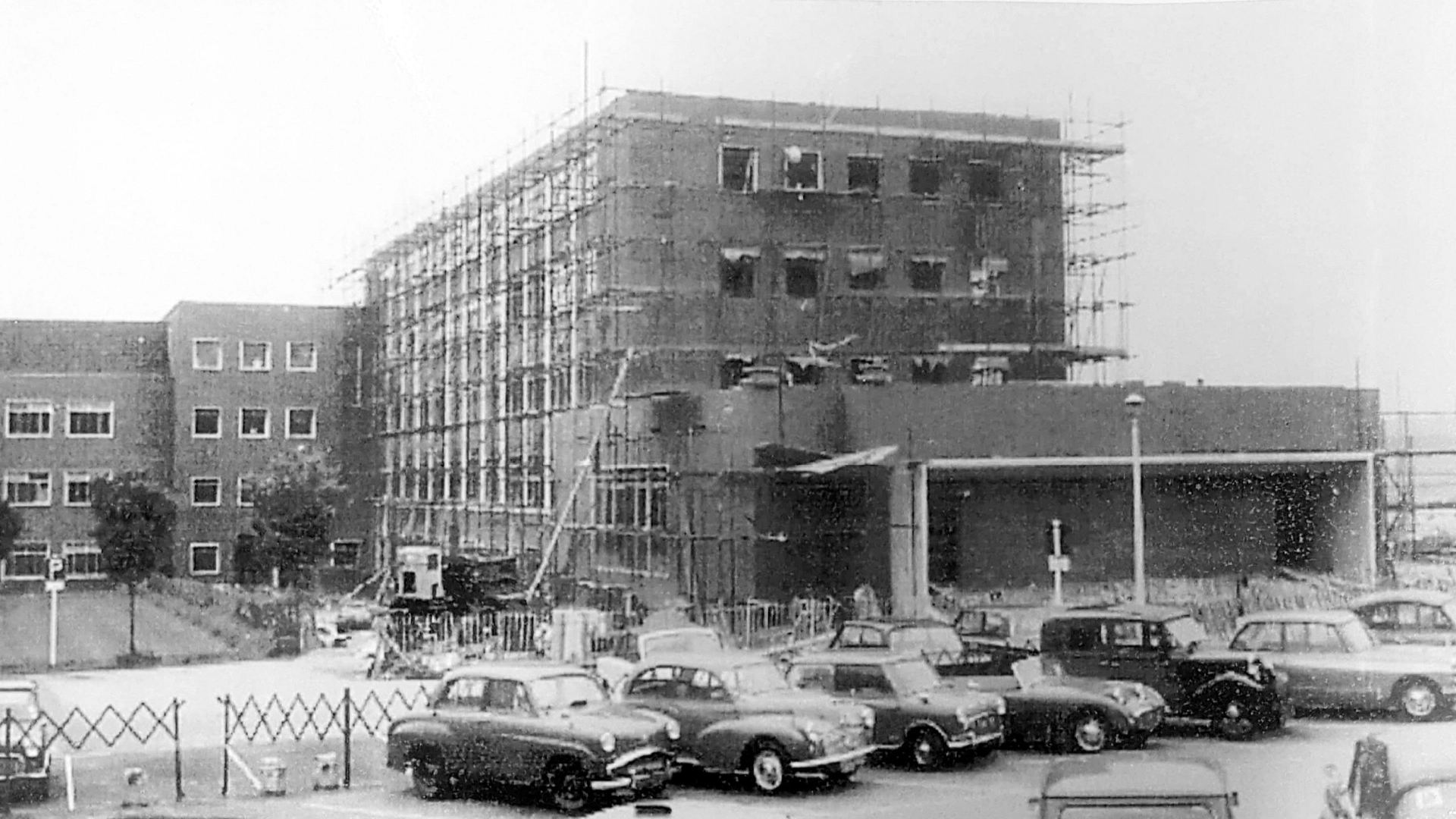
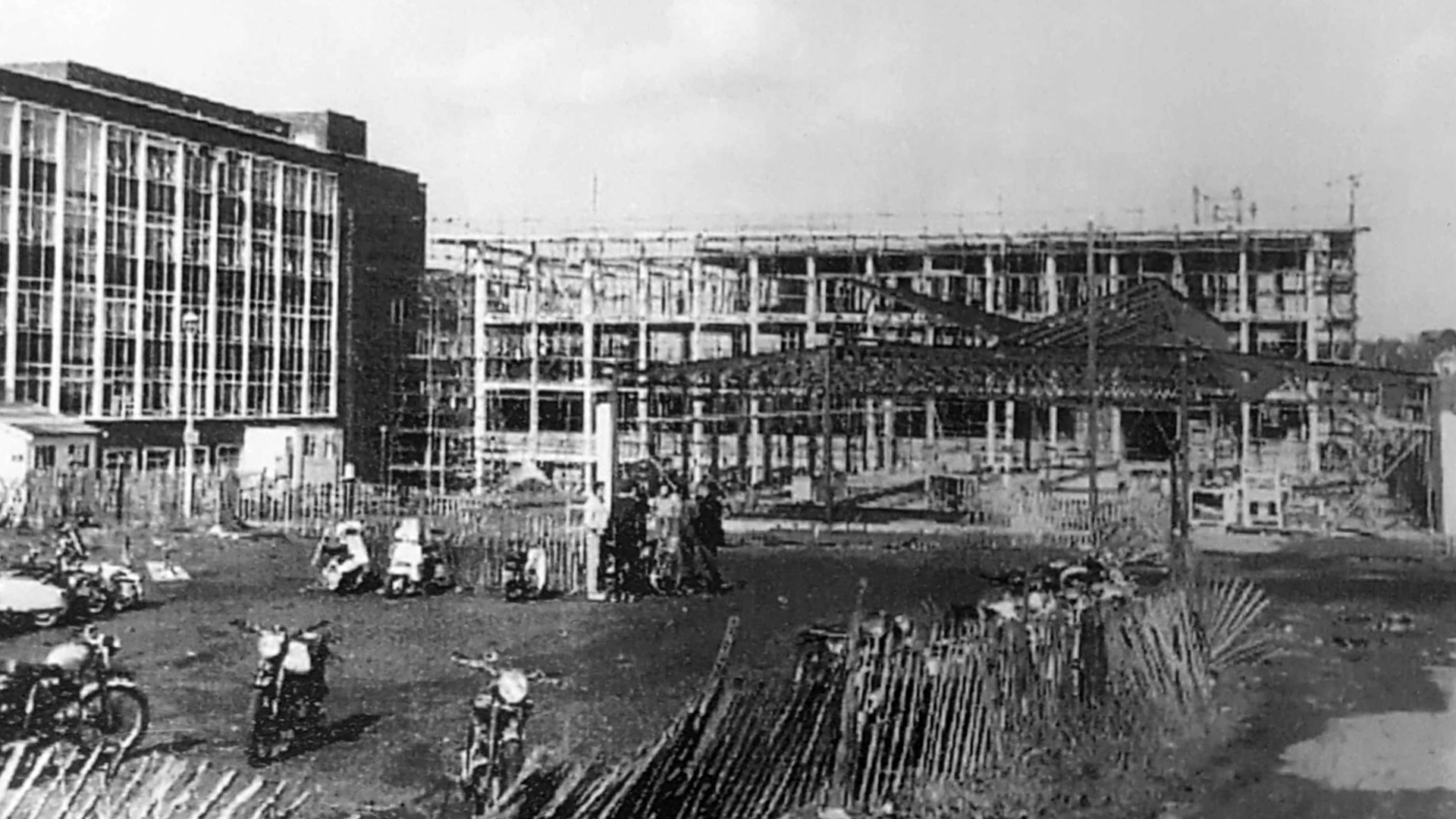
In 1973 a fire swept through the newly-built extension, gutting rooms on two floors and causing an estimated £100,000 of damage. The blaze began in a science laboratory, but the cause remained unclear.
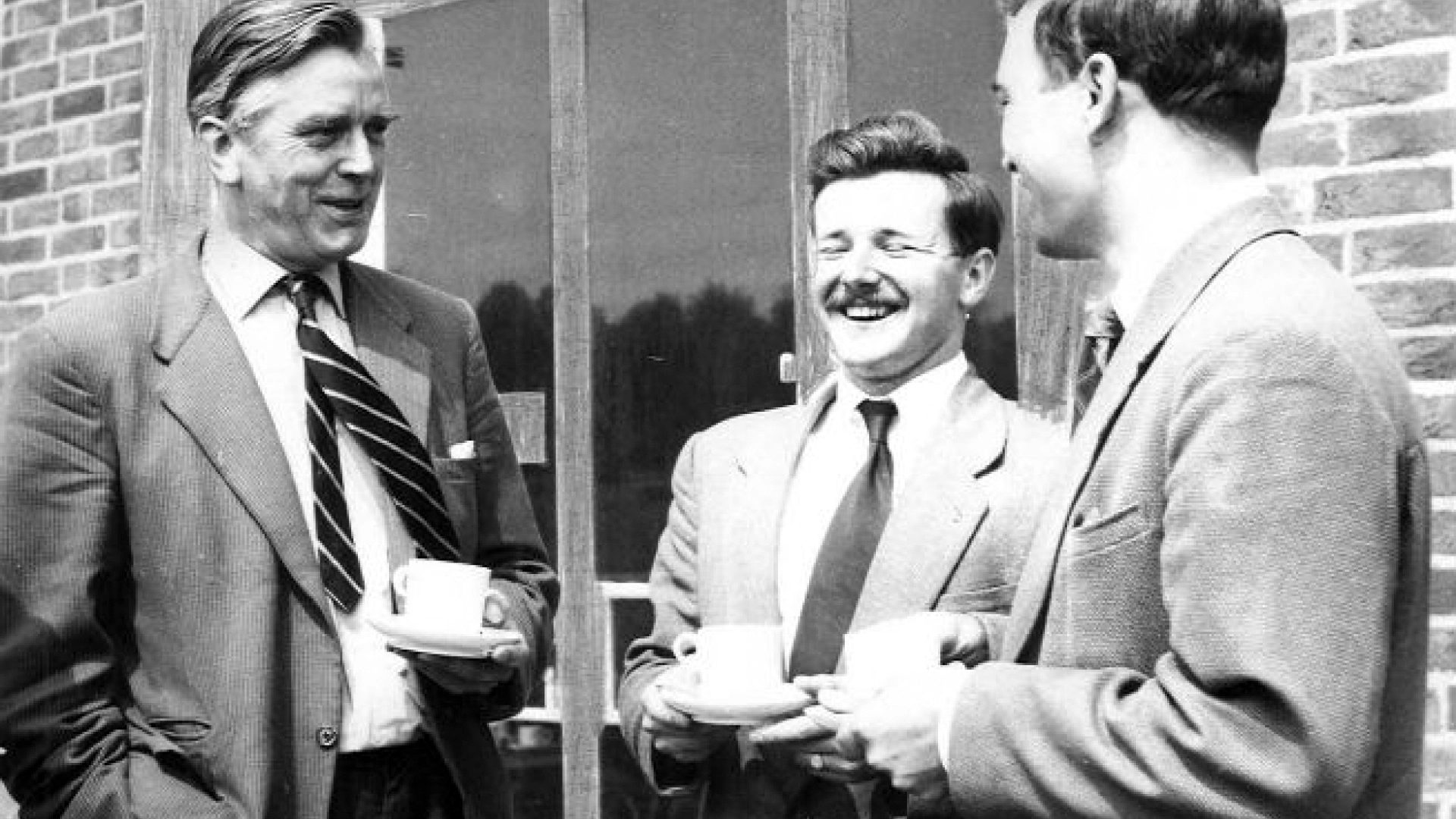
Ewell County Technical College changed its name to Nescot in 1975, and in 1988 the college acquired the former Epsom High School. The theatre at Nescot was named after Adrian Mann, the college’s first chairman of governors. Mr Mann retired as chairman in 1963 but continued as a governor for another decade, before becoming Governor Emeritus.
Nescot, as Ewell Technical College, has played host to artists including Queen, Genesis, Black Sabbath, Deep Purple, Led Zeppelin and Ralph McTell. In 1977 Shepperton Studios spent a day at the College filming scenes for The Revenge of the Pink Panther.
Naturalist David Bellamy studied at the college and later worked as a laboratory technician. He credited his teachers with inspiring his interest in biology. Cartoonist Frank Hampson, who drew the Dan Dare comic strips and was voted the best postwar comic illustrator in the world in 1975, was a technician at the college and Dr Guy Vine, father to Jeremy and Tim Vine, taught civil and structural engineering at Nescot.
Timeline
The evolution of our curriculum
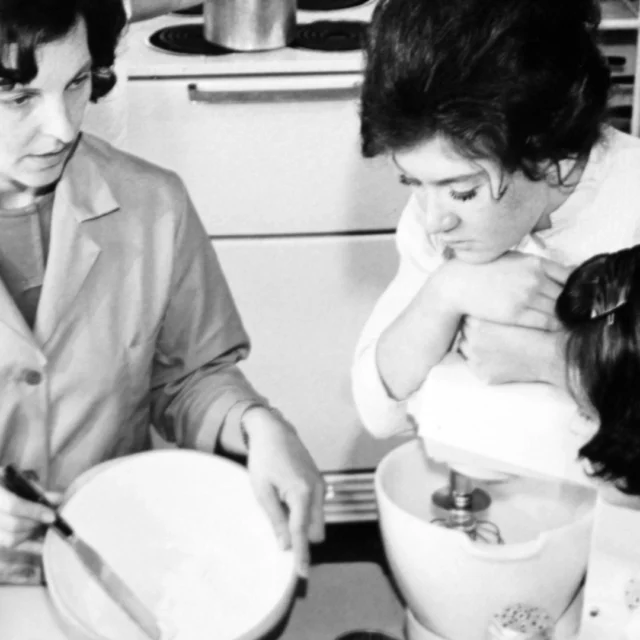
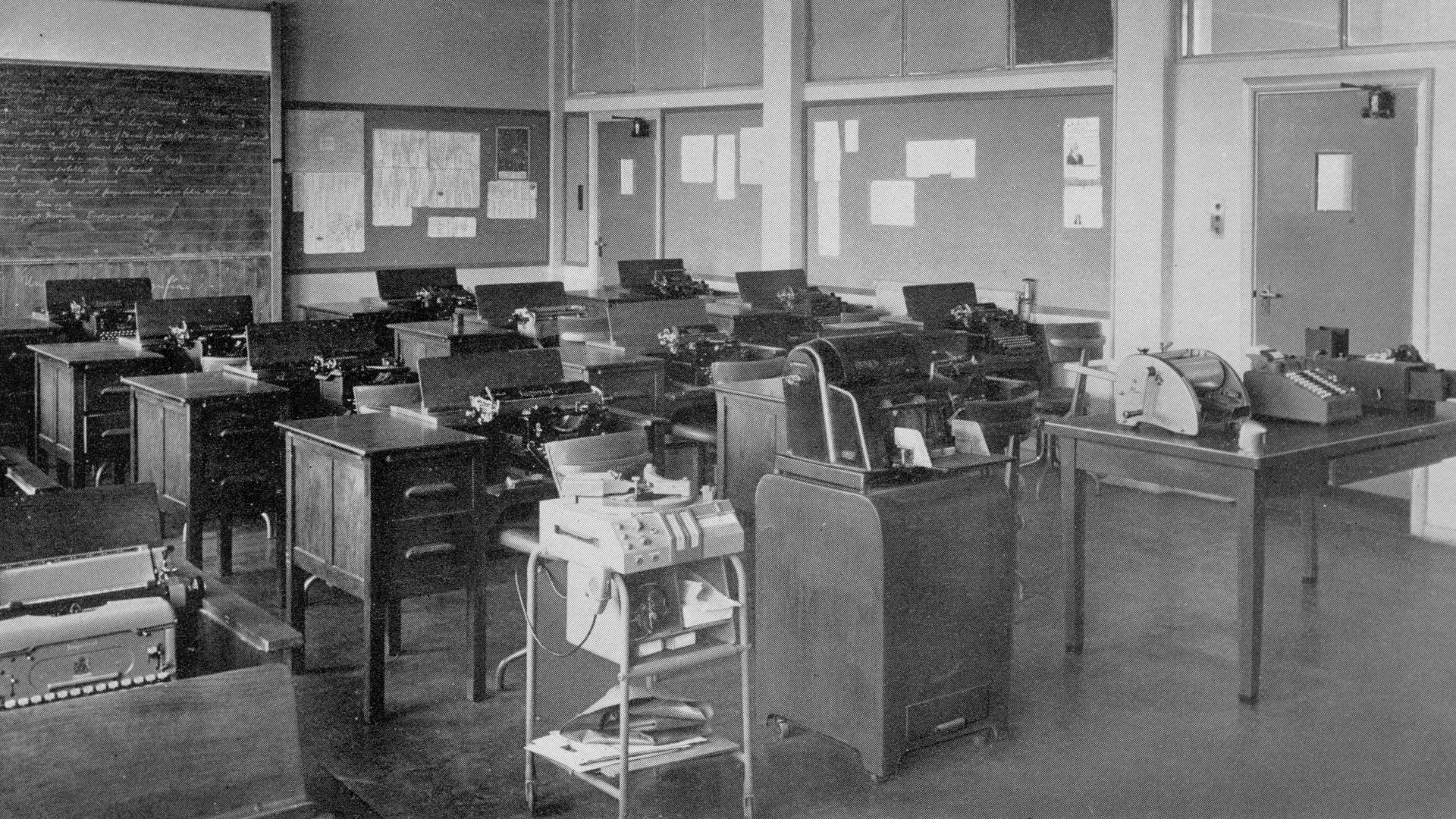
Courses at Nescot over the years have included: Advanced Domestic Cookery; Air Conditioning Design; Animal Pathology; Bacteriology; Biblical and Religious Studies; Golf course design; Certificate in Home Economics; Flower Arrangement; Drug Toxicity; Law; Nursing; Guest House Management and classes in Shorthand and Typing.
You can see the evolution of our curriculum today in our pioneering Institute of Technology; wide range of construction, motor vehicle engineering and science courses; our extensive animal care unit and farm; and our provision in care, including the new T-level qualification and a unique higher apprenticeship in healthcare play.