
Nescot Corporation and Governance
Nescot Further Education Corporation is the governing body of the college. It consists of up to 21 members, who are drawn from business, the local community, education institutions, students and staff. The Principal of the College is also a member. Further Education corporations are independent institutions, which were set up under the Further and Higher Education Act 1992.
The Corporation works through a number of committees who are delegated by the Corporation to provide detailed scrutiny in particular areas of the College’s work. These are Audit & Risk Committee, Finance and General Purposes Committee, Curriculum and Quality Committee, Search and Governance Committee and Senior Staff Performance and Remuneration Committee.
Corporation members
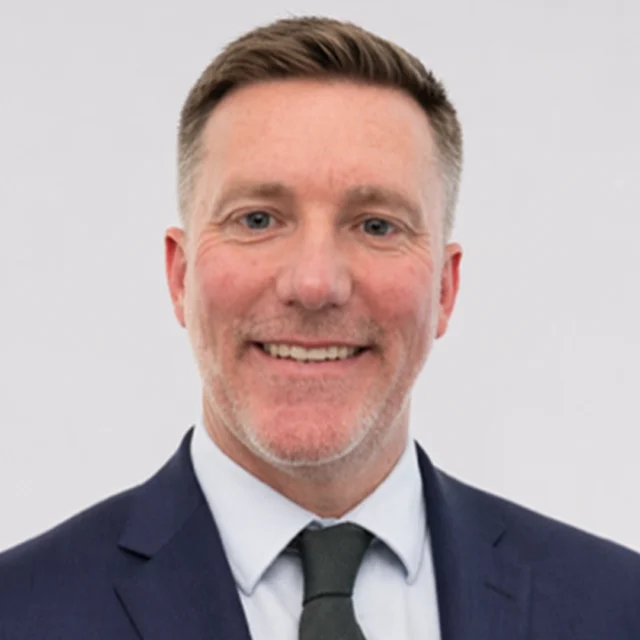
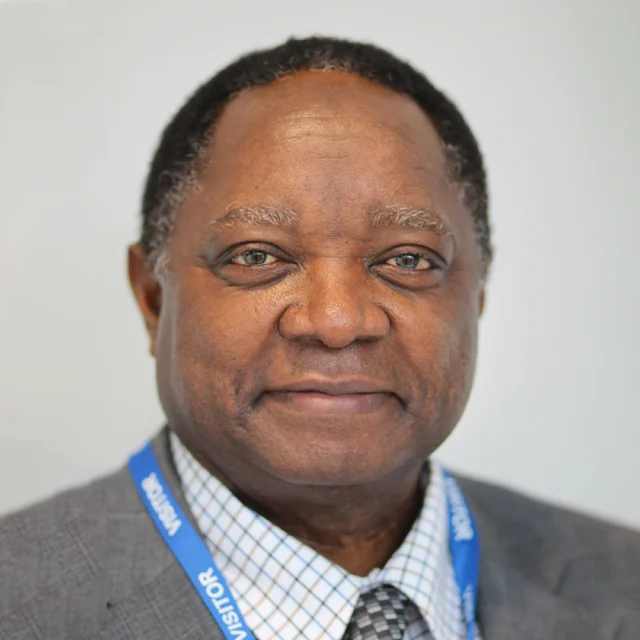
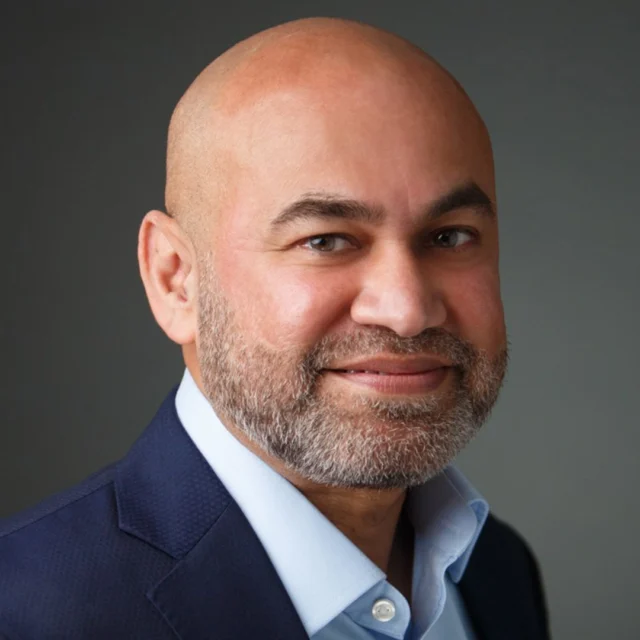
The members of the Corporation are:

Jeremy Williams

Jackie King










Instruments & articles
The Instrument and Articles of Government form the legal basis under which the governing body operates and set out its powers and responsibilities. Its key statutory responsibilities are:
- the determination and periodic review of the educational character and mission of the institution
- publishing arrangements for obtaining the views of staff and students
- the effective and efficient use of resources, the solvency of the institution and safeguarding the College’s assets
- approving annual estimates of income and expenditure
- the appointment, grading, suspension, dismissal, appraisal and determination of pay and conditions of the Principal, designated senior post holders and the Clerk
Nescot Instruments and Articles of Government
The Corporation has developed a committee structure and a series of policies to enable it to carry out its responsibilities in accordance with the Instrument and Articles of Government, and to ensure that it complies with the requirements of the agencies which provide funding, and that it operates within the laws relating to employment, health and safety, equality and diversity, and the openness of public organisations.
Documents & reports
Annual reports & financial statements
Key documents
Code of good governance
Nescot Corporation has adopted the AoC Code of Good Governance for English Colleges.
Corporation meeting minutes
Audit & risk committee
- Angela Green
- Sean Aherne
- Mark Brunt
- Angela Green
- Asa’ah Nkohkwo
- Jackie King
Curriculum & quality committee
- Giuliana Pieri
- Mark Brunt
- Julie Kapsalis MBE
- James Newman
- Richard Elliott
Finance & general purposes committee
- Clive Palfreyman
- Julie Kapsalis MBE
- Paul Mason
- Clive Palfreyman
- Jeremy Williams
Search & governance committee
- Jeremy Williams
- Julie Kapsalis MBE
- Jackie King
- Asaah Nkohkwo
Senior staff performance & remuneration committee
- Jackie King
- Angela Green
- Clive Palfreyman
- Guiliani Pieri
- Jeremy Williams
Become a governor
As a College Governor your insight, experience and ideas can widen the perspective of our boardroom. Your involvement can help us to meet the needs of the diverse groups of students and communities we serve.

We are keen to involve people of all ages and cultural backgrounds.
This is a voluntary role which brings professional rewards such as boardroom experience, adding to your CV, a positive step towards long-term career development and will help to extend your personal/professional networks.
For further information on becoming a Governor please email Susanne Wicks, Head of Governance, or visit the SurreyFE website.